
Summer is coming! Technically, it is coming. Reality, it’s here. Beaching and boating are Florida traditions, but there is always one thing that can ruin the experience for everyone. Red tide.
It’s the scourge of beaches and our beloved waterways, always lurking in the background. What was once an occasional annoyance is now a chronic condition. Red tide can develop miles offshore. When it gets pushed into our bays, inlets, and beaches, it fattens up on the nitrogen and phosphorus in the water. The environmental and economic damage that it and other algae blooms cause prompted the Florida Right to Clean Water campaign in 2024.
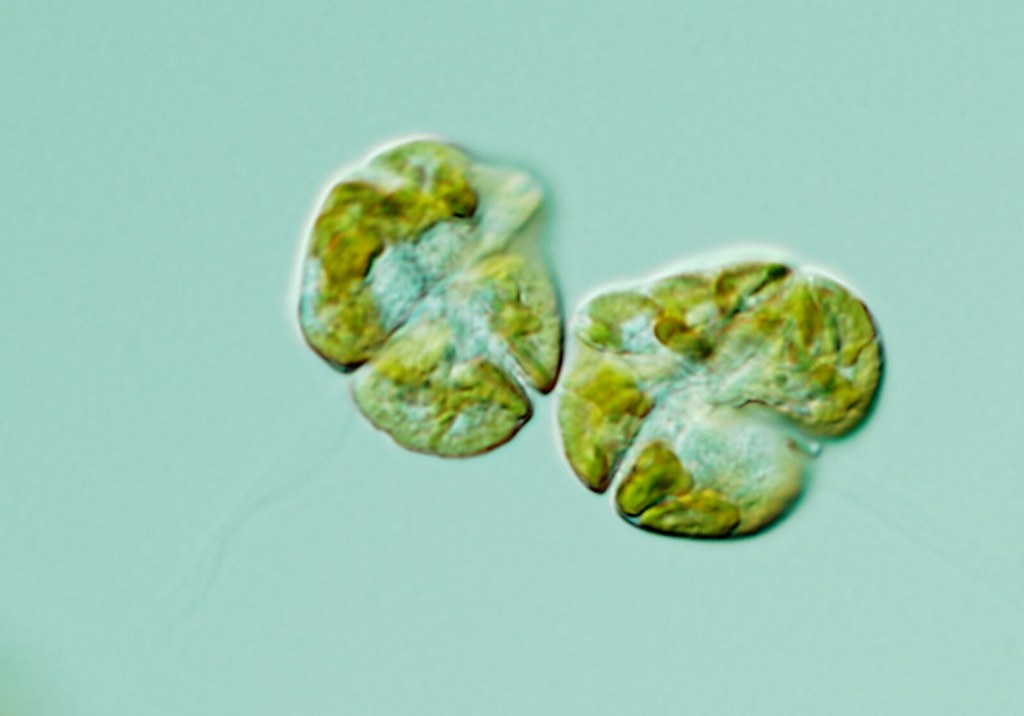
Fertilizer and other pollution runoff helps red tide blooms blossom. Generally, hotter ocean and gulf temperatures, with human released nutrients into the water, make popular hot spots for algae blooms. The toxic algae Karenia brevis is its building block, a single celled micro-organism. As teeny as it is, it can cause billions of dollars of economic loss and damage; harm our beloved manatees, and has been responsible for extensive fish kills.
There is good news
The Florida Fish & Wildlife Conservation Commission (FWC) monitors red tide statewide. Right now, Florida has a low occurence rate. There are some ‘background’ spots in the state, including the Tampa Bay area. Enjoy the beaches now. There is some growing off shore. A quiet hurricane season can also mean a quieter red tide season, since the storms won’t be shoving Karenia brevis into Tampa Bay and other waterways. The National Centers for Coastal Ocean Science (NCCOS) monitors the entire Gulf for blooms and activity.
Pinellas County also monitors red tide, and maintain a Red Tide Monitoring Map. USF’s Ocean Circulation Lab also tracks and predicts red tide movement on Florida’s west coast (though that may be impeded because of their terrible fire).
Summertime Fertilizer Bans
Have you wondered why (or didn’t even realize!) fertilizing is banned from June 1 – September 30? Fertilizer run-off into water is extremely harmful to marine life and bad for us too. Fertilizer applied in the summer is usually ineffective in lawn care, instead washing away/seeping into groundwater and polluting natural waters. Fertilizer feeds Karenia brevis, and other toxic algae, leading to fish kills, respiratory issues, dead sea grass (double whammy for the manatees!), and other bad stuff.
Thank you for complying with the fertilizer bans, and doing your part to keep red tide at bay, not in the bay.